
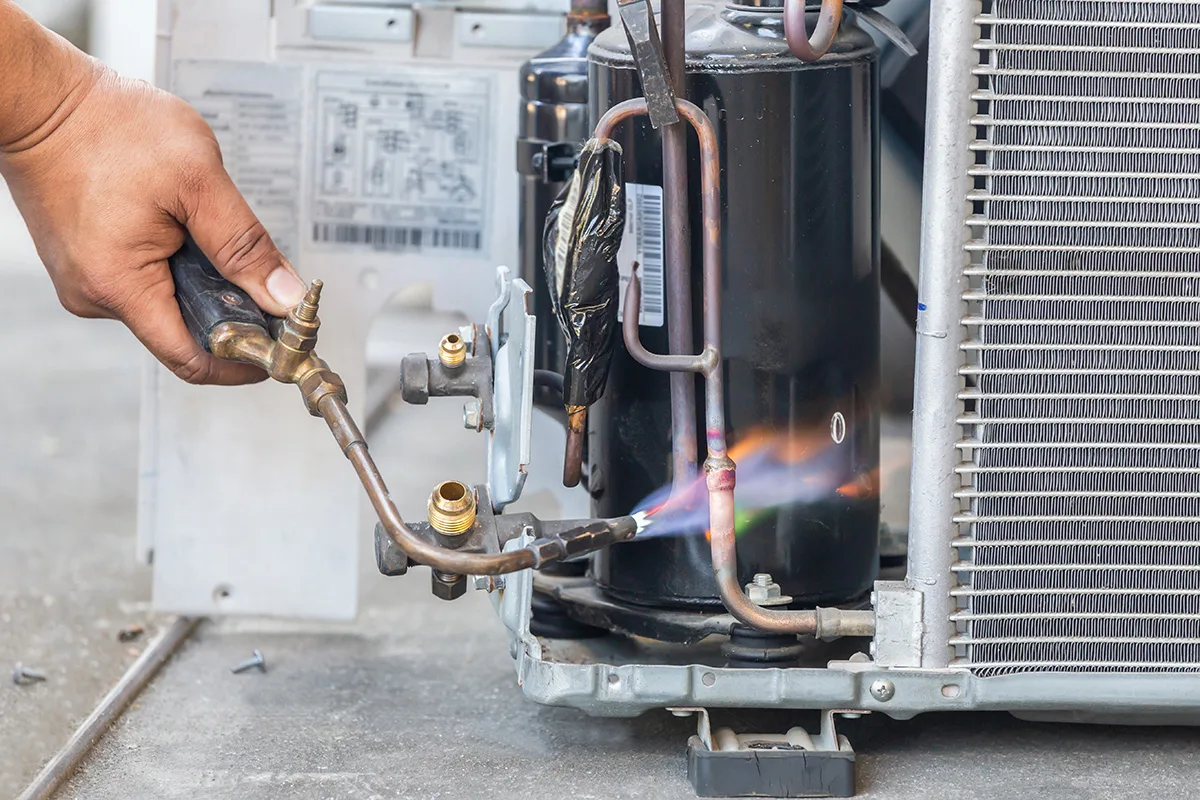
For homeowners who want reliable indoor comfort throughout the year, the importance of regular HVAC maintenance cannot be overstated. We see firsthand how consistent HVAC care directly impacts energy efficiency, indoor air quality, system lifespan, and monthly utility costs. Heating and cooling systems operate daily under changing weather conditions, and without proper maintenance, even high-quality units can lose efficiency and break down prematurely.
Understanding why HVAC maintenance matters helps homeowners make informed decisions that protect both comfort and investment. From preventing unexpected system failures to improving airflow and temperature consistency, regular service ensures your HVAC system performs as designed. This guide explains how routine maintenance supports home efficiency, long-term savings, and healthier indoor living environments.
How Routine HVAC Maintenance Improves System Performance and Comfort
Scheduling a Routine HVAC maintenance service is one of the most effective ways to maintain consistent indoor comfort. HVAC systems rely on multiple components working together, including filters, coils, motors, and ductwork. When even one part becomes dirty or worn, overall system performance declines, leading to uneven temperatures and reduced airflow.
Routine maintenance allows trained technicians to inspect, clean, and adjust these components before problems escalate. Clean filters improve airflow, calibrated thermostats maintain accurate temperature control, and lubricated moving parts reduce strain on motors. According to industry data supported by organizations such as National Air Duct Cleaners Association, well-maintained systems operate more efficiently and deliver better airflow throughout the home.
Consistent servicing also minimizes noise issues, reduces system cycling, and helps maintain steady indoor temperatures regardless of outdoor conditions. Over time, homeowners notice fewer comfort fluctuations and more predictable system behavior.
Why HVAC Maintenance Is Important for Energy Efficiency and Cost Savings
Many homeowners ask why HVAC maintenance is important when systems appear to be functioning normally. The answer lies in energy efficiency. Dust buildup, clogged filters, and worn components force HVAC systems to work harder, consuming more electricity or fuel to achieve the same comfort level.
Routine inspections help identify inefficiencies early. Clean evaporator and condenser coils improve heat transfer, while proper refrigerant levels ensure optimal cooling performance. Research cited by HVAC industry studies shows that clean systems can reduce blower and fan energy consumption by up to 41% to 60%, Reliable HVAC Services in Cooper City, FL
significantly lowering monthly utility bills.
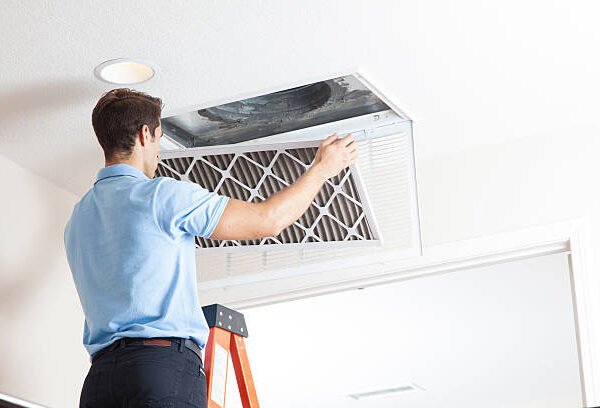
In addition to energy savings, maintenance reduces the likelihood of expensive emergency repairs. Small issues such as loose electrical connections or minor refrigerant leaks can be addressed during service visits, preventing major system failures. This proactive approach protects homeowners from unexpected downtime and high repair costs during extreme weather seasons.
The Benefits of HVAC Maintenance for Indoor Air Quality and Health
One of the most overlooked Benefits of HVAC Maintenance is its impact on indoor air quality. HVAC systems circulate air throughout the home multiple times each day, and when filters and ducts are neglected, dust, allergens, and airborne contaminants accumulate.
Regular maintenance includes filter replacement, airflow assessment, and system cleaning that help reduce indoor pollutants. The American Lung Association emphasizes that properly maintained HVAC systems can significantly improve indoor air quality, reducing respiratory irritants and allergy triggers.
Clean systems also discourage mold growth caused by moisture buildup around coils and drain lines. By controlling humidity levels and ensuring proper drainage, maintenance supports healthier indoor environments for families, especially those with asthma or allergy sensitivities.
How Regular HVAC Maintenance Extends System Lifespan
The importance of HVAC maintenance extends beyond comfort and efficiency to long-term equipment durability. HVAC systems are complex mechanical investments designed to last 10 to 20 years when properly cared for. Without routine service, components experience accelerated wear, shortening system lifespan.
Maintenance allows technicians to detect early signs of stress, such as motor overheating, belt wear, or airflow restrictions. Addressing these issues promptly reduces strain on critical components like compressors and heat exchangers. According to data aligned with National Air Duct Cleaners Association findings, maintained systems demonstrate reduced reliance on backup equipment and lower long-term operational costs.
Extending system life delays costly replacements and maximizes return on investment. Homeowners who commit to routine care often enjoy years of reliable performance beyond the average system lifespan.
Preventing Unexpected Breakdowns with Preventive HVAC Care
Unexpected HVAC breakdowns are inconvenient, stressful, and often expensive. Regular maintenance dramatically reduces the risk of sudden system failures by identifying vulnerable components before they fail completely.
Seasonal inspections are especially critical before peak summer cooling and winter heating periods. Technicians evaluate electrical connections, test safety controls, and verify system startup and shutdown sequences. These preventive measures ensure reliable operation during periods of high demand.
Preventive care also protects manufacturer warranties, many of which require documented maintenance to remain valid. Skipping routine service may result in denied warranty claims if major components fail.
Why Professional HVAC Maintenance Matters More Than DIY Care
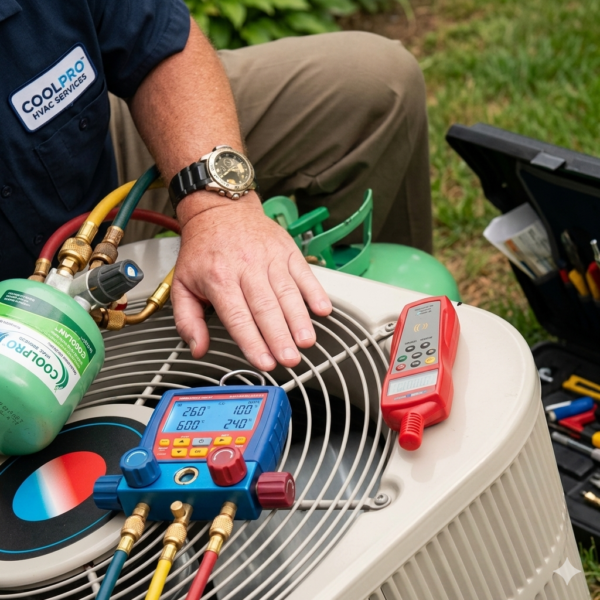
While homeowners can perform basic tasks like replacing filters, professional maintenance provides a deeper level of system evaluation. Certified HVAC technicians use specialized diagnostic tools to measure airflow, test electrical systems, and assess refrigerant performance.
Hiring professionals ensures compliance with safety standards and manufacturer specifications. Certified service providers follow best practices established by organizations such as National Air Duct Cleaners Association, ensuring thorough inspections and accurate system adjustments.
Professional maintenance also provides documentation of service history, which can be valuable for warranty claims, resale value, and long-term system planning.
Choosing Reliable HVAC Services for Long-Term Home Comfort
Selecting a qualified HVAC provider is essential for maximizing maintenance benefits. Homeowners should look for licensed, insured professionals with experience in residential systems and a strong reputation for reliability.
For homeowners seeking Reliable HVAC Services in Cooper City, FL, working with a trusted local provider ensures timely service and familiarity with regional climate demands. Local expertise allows technicians to anticipate seasonal challenges and recommend maintenance schedules that align with environmental conditions.
A reliable HVAC partner becomes a long-term asset, helping homeowners maintain comfort, efficiency, and peace of mind year after year.
Long-Term Value of Regular HVAC Maintenance
When evaluating the benefits of regular HVAC maintenance, long-term value becomes clear. Lower energy costs, fewer repairs, extended system lifespan, improved air quality, and consistent comfort all contribute to homeowner satisfaction.
Regular maintenance transforms HVAC care from a reactive expense into a proactive investment. Instead of addressing problems after failures occur, homeowners maintain control over system performance and budgeting.
Ultimately, consistent HVAC maintenance supports a healthier, more efficient home while protecting one of the most critical systems in modern living.
Frequently Asked Questions
How often should HVAC maintenance be scheduled?
Most HVAC systems should be serviced at least once a year, ideally before peak heating or cooling seasons. Some systems benefit from biannual inspections.
Does HVAC maintenance really lower energy bills?
Yes. Clean, properly adjusted systems use less energy to operate, leading to noticeable reductions in monthly utility costs over time.
Is HVAC maintenance required for warranty coverage?
Many manufacturers require documented routine maintenance to keep warranties valid. Skipping service may void coverage for major components.
Can HVAC maintenance improve indoor air quality?
Absolutely. Maintenance includes filter replacement, airflow optimization, and moisture control, all of which help reduce indoor pollutants and allergens.